Research Articles
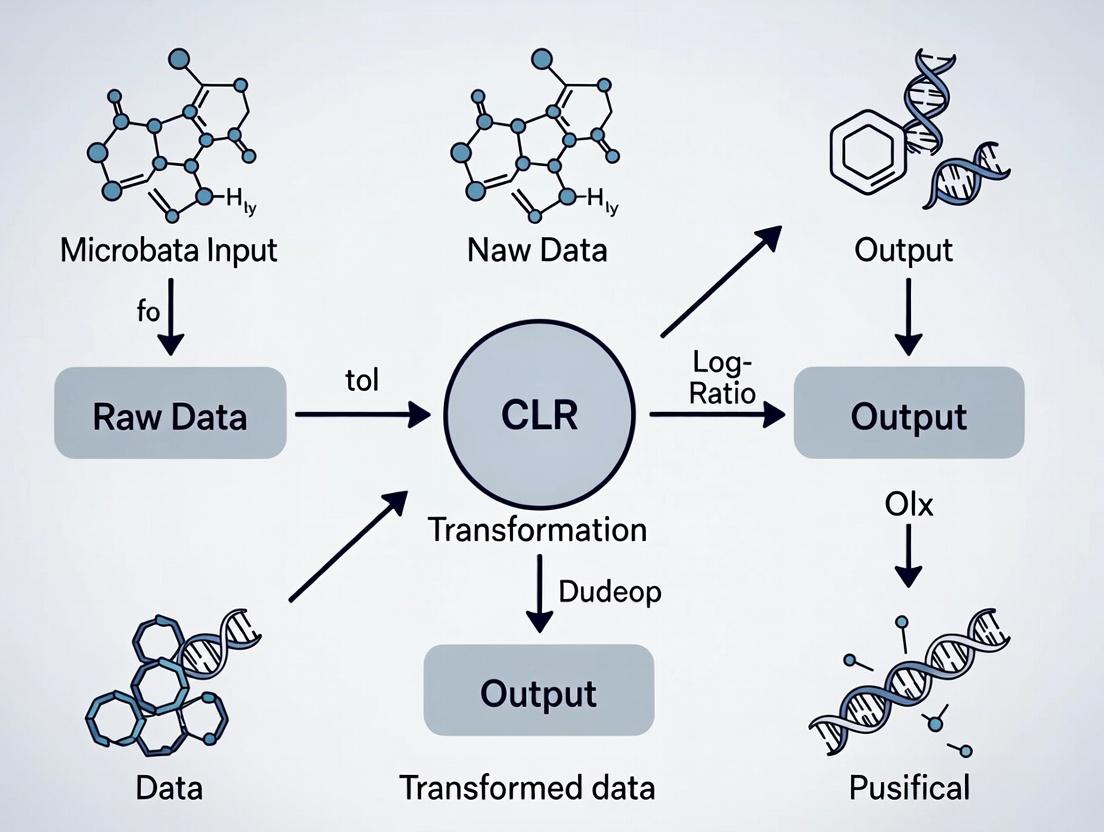
The CLR Transformation Guide: Mastering Compositional Data Analysis for Microbiome Research & Drug Discovery
This comprehensive guide details the Center Log-Ratio (CLR) transformation for analyzing microbiome sequencing data, which is inherently compositional.
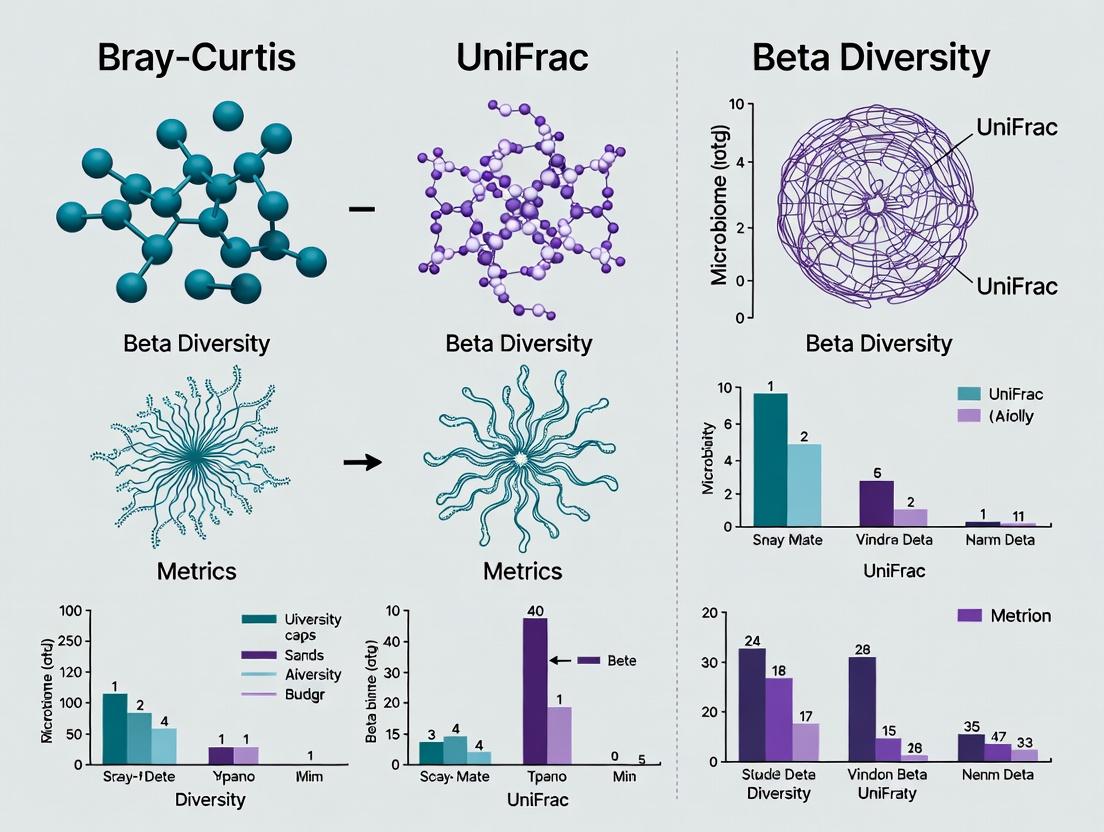
Bray-Curtis vs UniFrac: A Researcher's Guide to Choosing the Right Beta Diversity Metric
This article provides a comprehensive, comparative analysis of Bray-Curtis and UniFrac, the two cornerstone metrics for assessing beta diversity in microbial ecology and biomedical research.
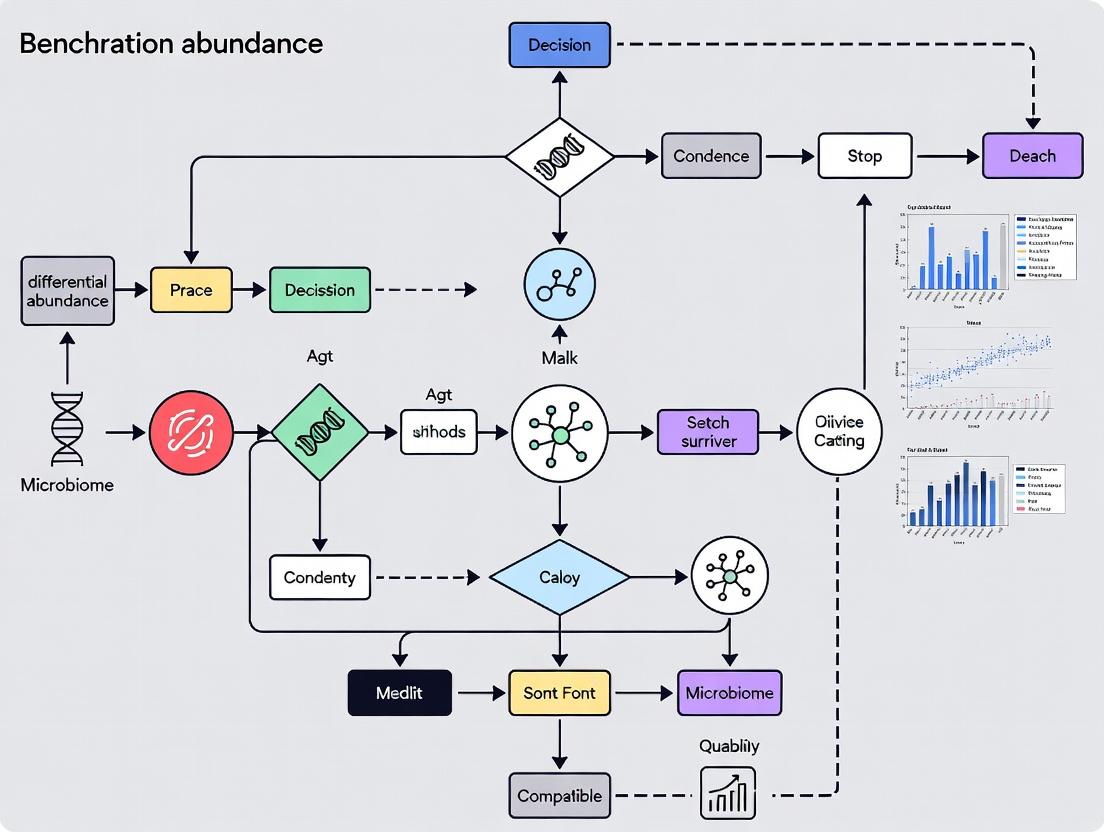
Differential Abundance Analysis in Microbiome Studies: 2024 Benchmarking Guide for Researchers
This article provides a comprehensive, up-to-date review and practical guide for benchmarking differential abundance (DA) analysis methods in microbiome research.

Zero-Inflated Microbiome Data Analysis: A Comparative Guide to Advanced Statistical Models for Biomedical Researchers
Microbiome datasets are characterized by an overwhelming prevalence of zeros due to biological and technical factors, presenting a significant analytical challenge.
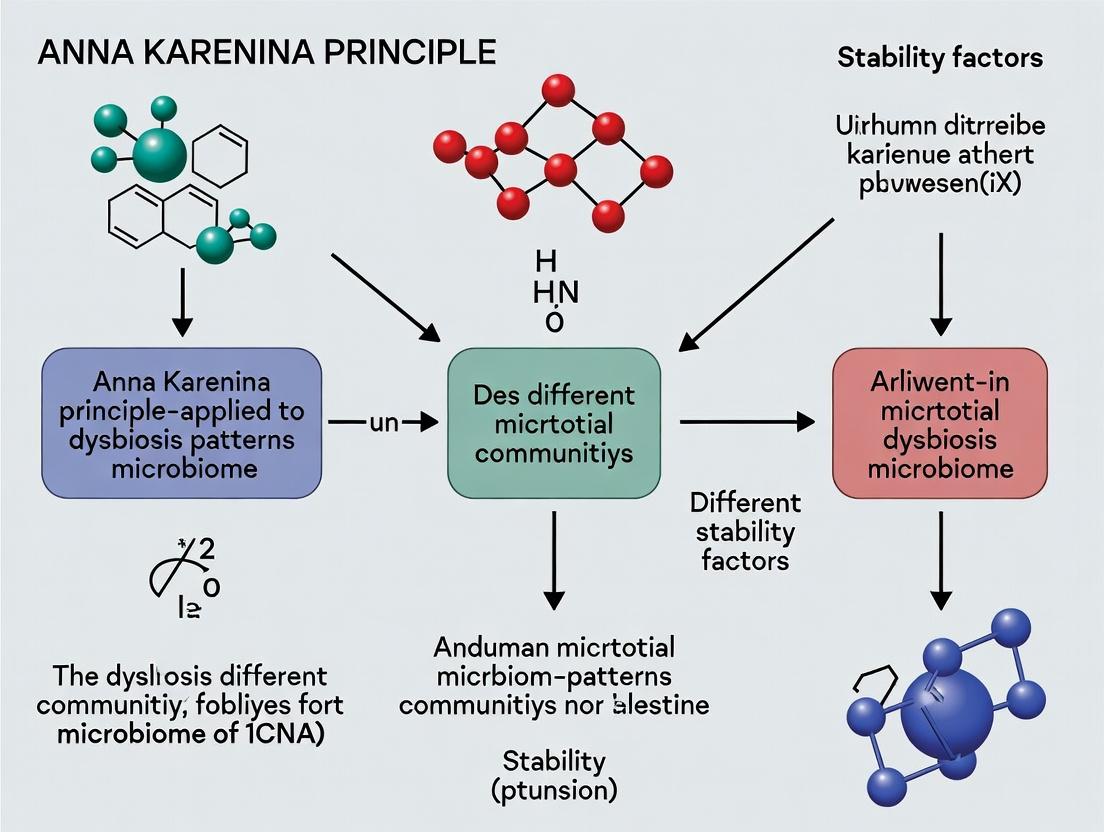
The Anna Karenina Principle in Dysbiosis: A Unified Framework for Microbiome Instability in Disease and Drug Development
This article explores the application of Tolstoy's 'Anna Karenina Principle' (AKP) to gut microbiome dysbiosis.
Solving the Perfect Separation Problem: Advanced Statistical Methods for Reliable Microbiome Differential Abundance Analysis
This article provides a comprehensive guide for researchers and drug development professionals on addressing perfect separation in microbiome differential abundance analysis.
Batch Effect Correction Strategies for Zero-Inflated Microbiome Data: A Comprehensive Guide for Biomedical Research
This article provides a complete framework for understanding and addressing batch effects in microbiome data, which is characterized by excessive zeros and high dimensionality.
ANCOM-BC vs. ALDEx2 vs. DESeq2: The Ultimate Guide for Differential Abundance Analysis in Microbiome Studies
This comprehensive guide compares three leading tools for differential abundance (DA) analysis in microbiome research: ANCOM-BC, ALDEx2, and DESeq2.
Differential Abundance Showdown: Benchmarking ANCOM-BC, ALDEx2, and DESeq2 for Microbiome & Transcriptomics Research
This comprehensive guide analyzes three leading statistical methods for differential abundance analysis: ANCOM-BC (for microbiome compositional data), ALDEx2 (using Bayesian Dirichlet-multinomial models), and DESeq2 (a negative binomial workhorse).

ANCOM-BC Normalization: A Complete Protocol for Accurate Differential Abundance Analysis in Microbiome Research
This comprehensive guide details the ANCOM-BC (Analysis of Compositions of Microbiomes with Bias Correction) normalization protocol, a critical statistical method for robust differential abundance testing in microbiome data.