Research Articles

Demystifying DADA2: A Comprehensive Guide to Troubleshooting 'Plugin Error' in R for Robust Microbiome Analysis
This article provides a definitive guide for researchers, scientists, and bioinformaticians encountering the DADA2 'plugin error' in R.
DADA2 Processing for Large Datasets: Complete Optimization Guide for Faster Amplicon Analysis
This comprehensive guide addresses the critical challenge of processing large 16S rRNA amplicon sequencing datasets with DADA2 efficiently.
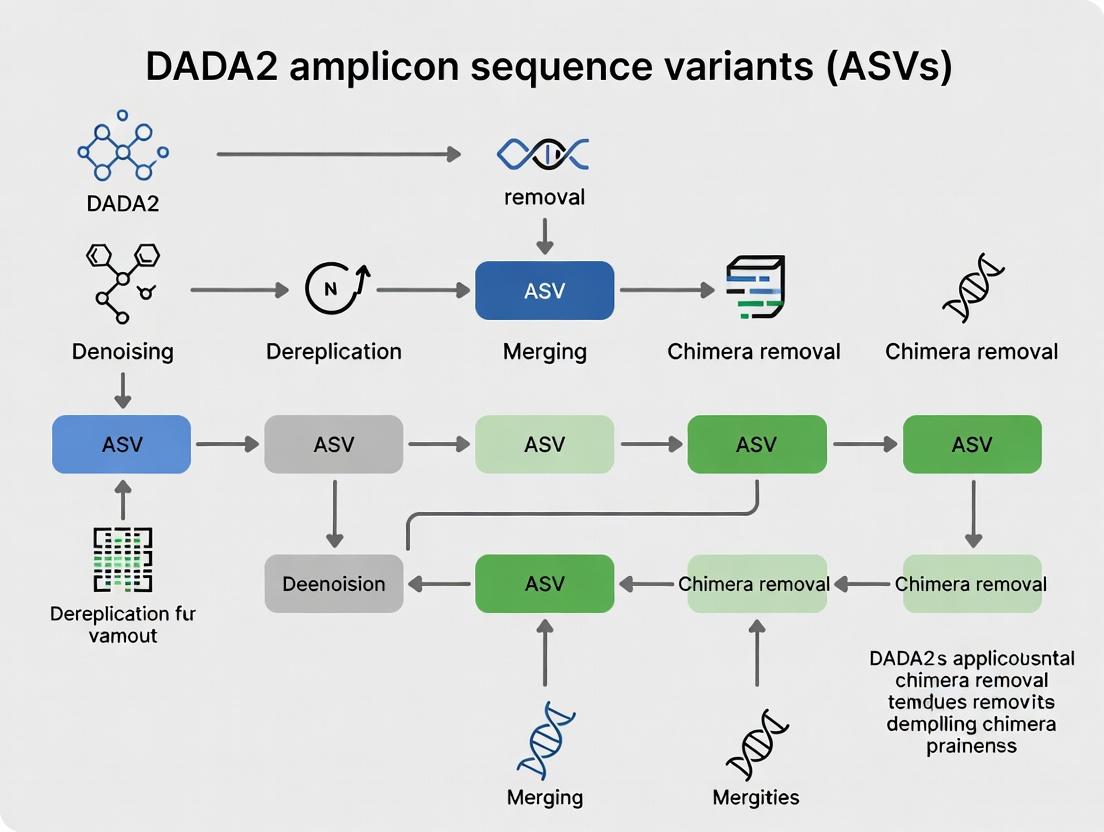
DADA2 ASVs in Microbial Research: A Comprehensive Guide from Theory to Application for Scientists
This article provides a complete resource on DADA2 (Divisive Amplicon Denoising Algorithm) for generating high-resolution Amplicon Sequence Variants (ASVs).
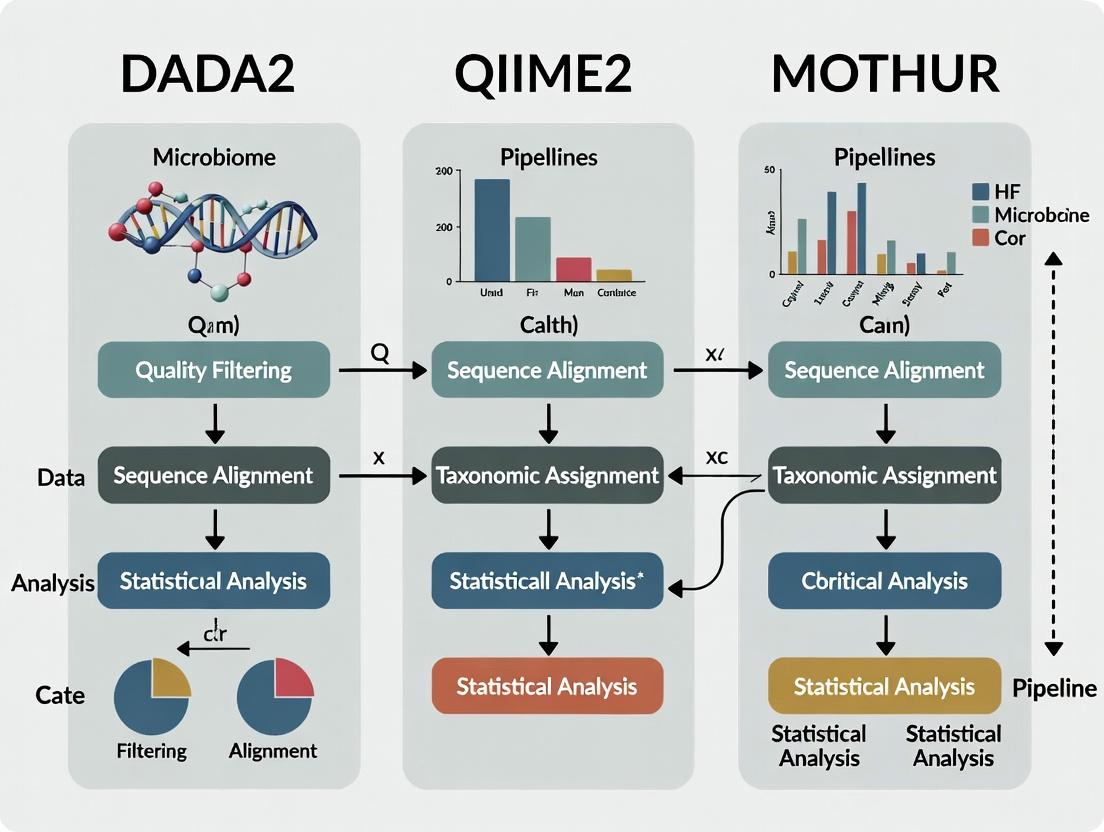
DADA2 vs QIIME2 vs MOTHUR: A 2025 Reproducibility Benchmark for Clinical Microbiome Analysis
This comprehensive review critically compares the DADA2, QIIME2, and MOTHUR pipelines for 16S rRNA amplicon sequence data analysis, with a focus on reproducibility in biomedical research.
Resolving the DADA2 derep() Error: Understanding and Fixing the NA/Integer Overflow Issue in Microbiome Analysis
This article addresses a critical computational error in the DADA2 pipeline where the derep() function fails, returning NA values due to an integer overflow when processing exceptionally large or deep...
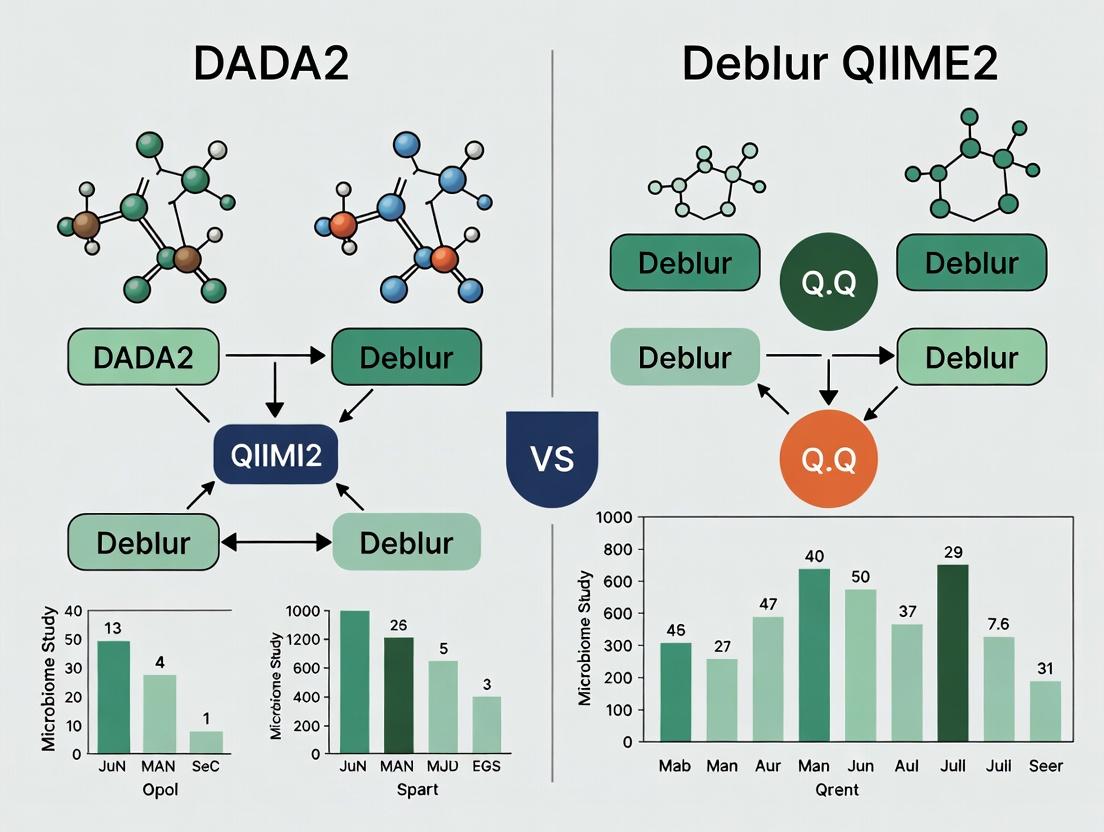
DADA2 vs Deblur vs QIIME2: A 2024 Comparative Guide for Microbiome Denoising in Biomedical Research
This comprehensive guide compares the three leading denoising algorithms—DADA2, Deblur, and QIIME2's core features—for 16S rRNA amplicon sequence analysis.
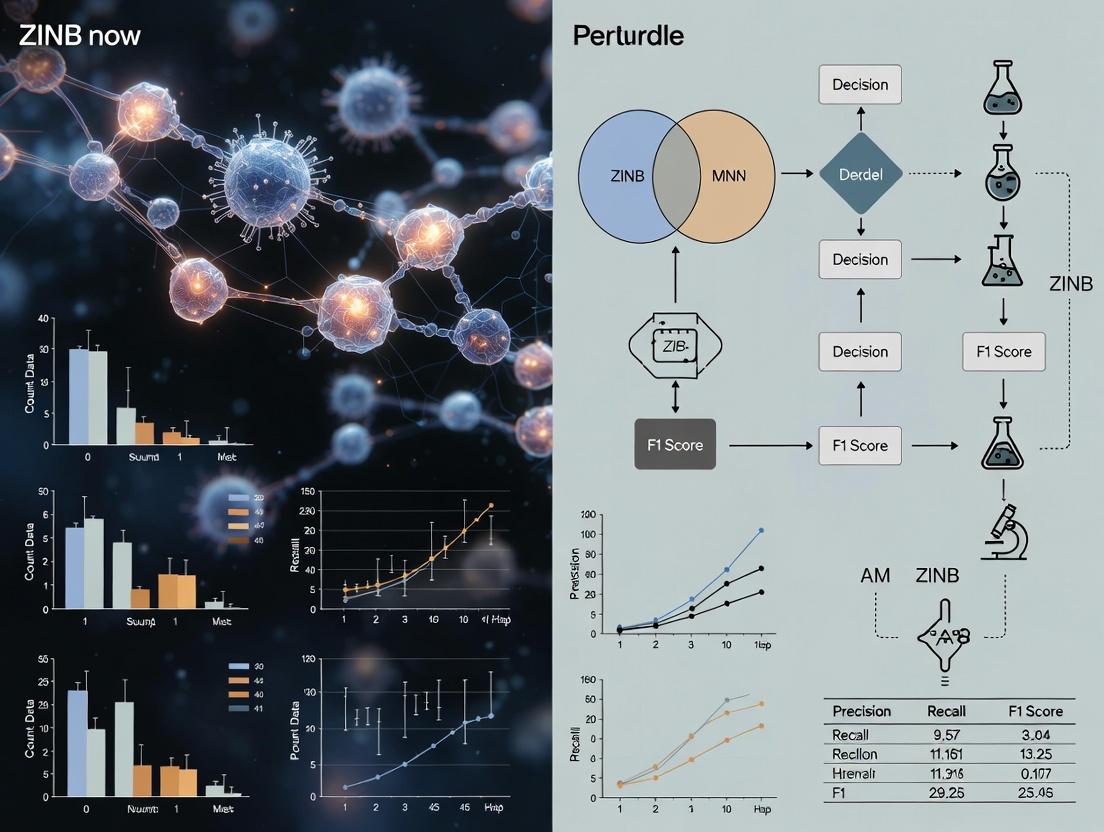
ZINB vs. Hurdle Models: A Practical Guide for Biomedical Research and Drug Development
This article provides researchers, scientists, and drug development professionals with a comprehensive comparison of Zero-Inflated Negative Binomial (ZINB) and hurdle models for analyzing over-dispersed count data with excess zeros.
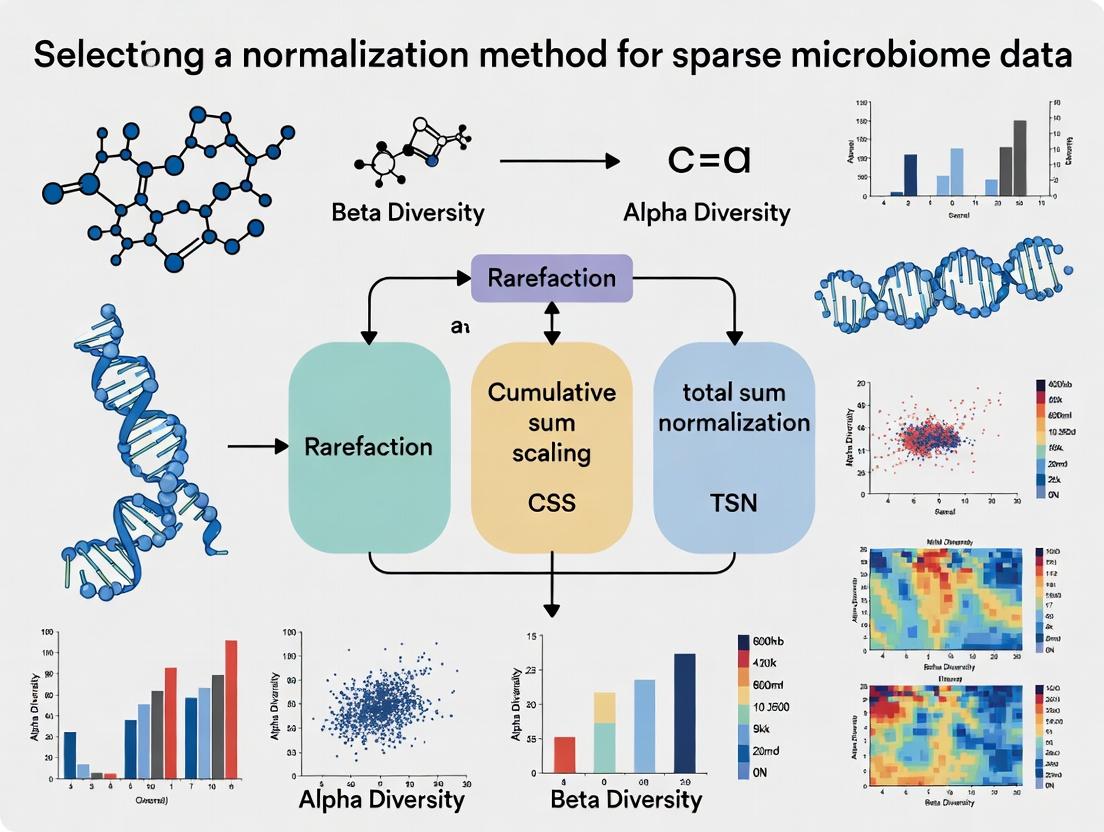
Navigating the Microbial Maze: A Comprehensive Guide to Normalization Methods for Sparse Microbiome Data in Biomedical Research
This article provides a structured, intent-based guide for researchers, scientists, and drug development professionals grappling with the analysis of sparse microbiome data.
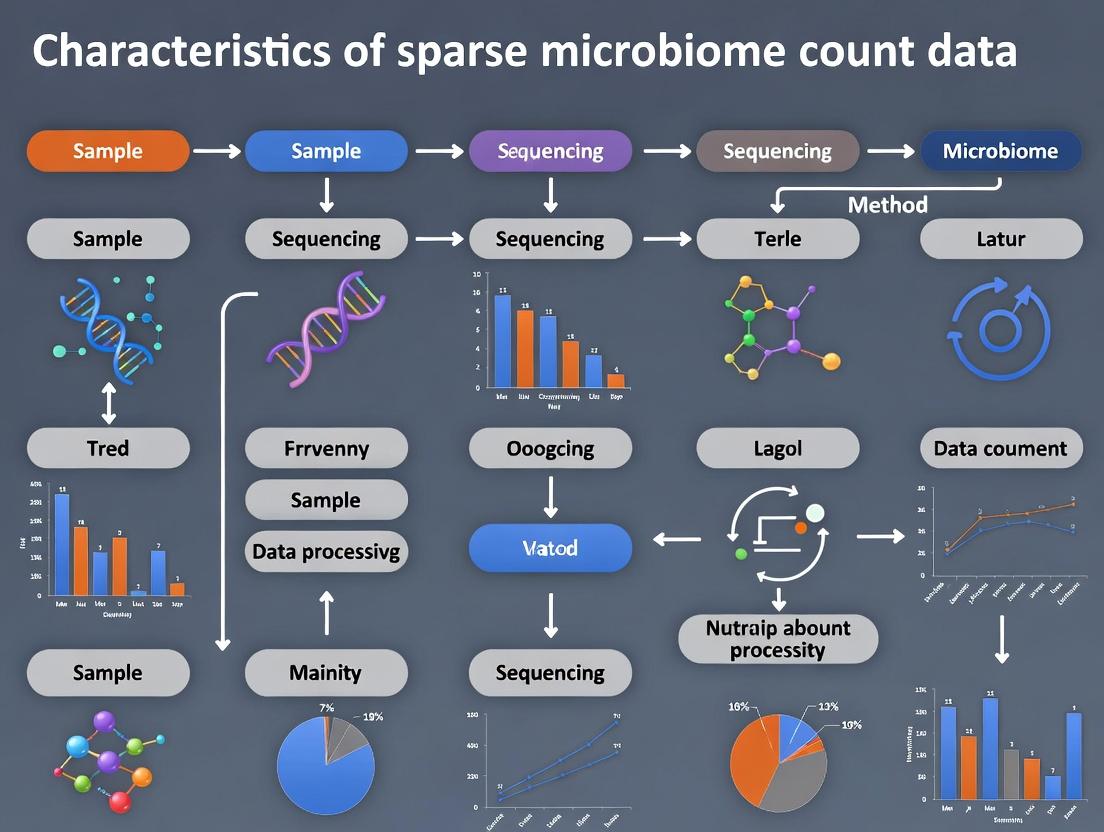
Sparse Microbiome Data Decoded: Key Characteristics, Analytical Challenges, and Advanced Solutions for Biomedical Research
This article provides a comprehensive guide to the defining characteristics of sparse microbiome count data, a ubiquitous challenge in modern microbial ecology and biomedical research.
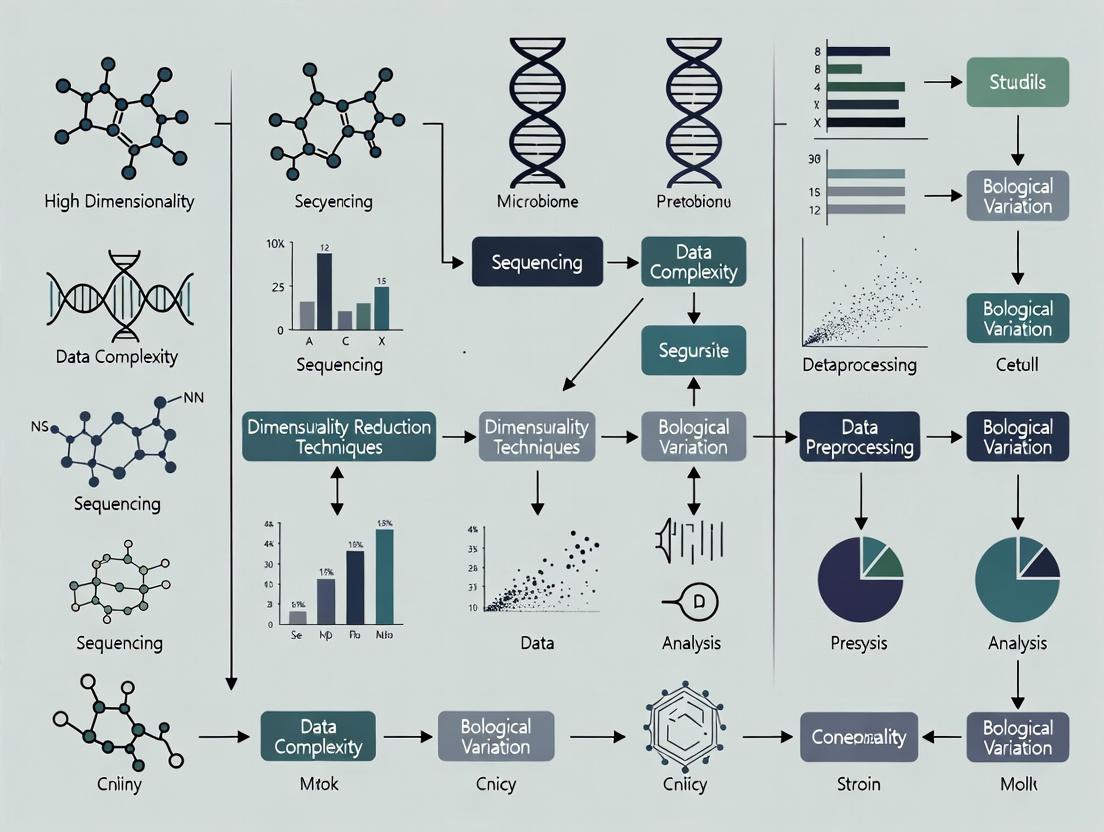
Taming the Curse of Dimensionality: Navigating High-Dimensional Data in Metagenomic Analysis
This article addresses the pervasive 'curse of dimensionality' in metagenomic studies, where the number of microbial features (e.g., species, genes, pathways) vastly exceeds the number of samples.